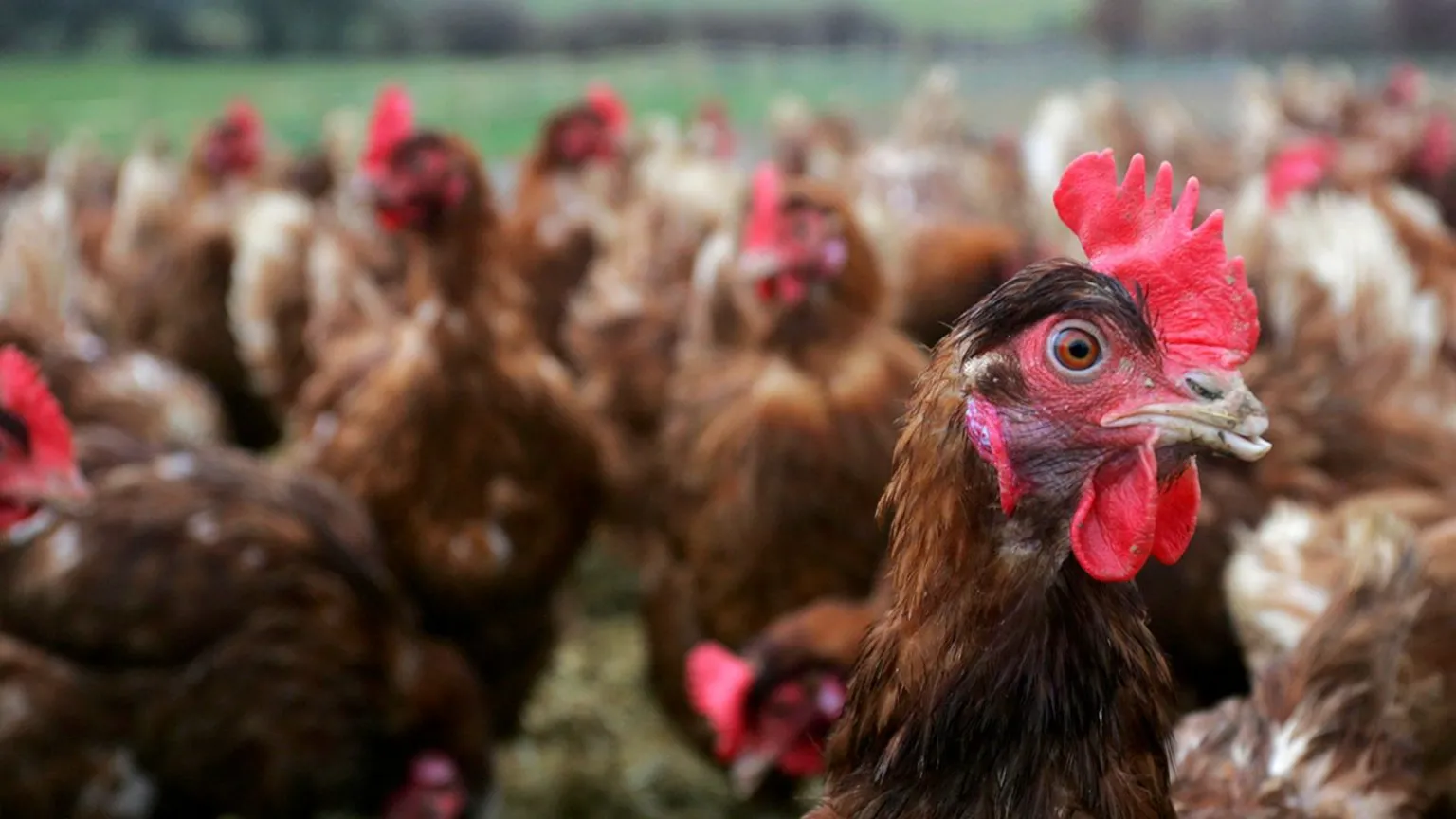
A bird flu outbreak at a large poultry farm near Belford, in north Northumberland, has already killed about 2,000 birds and is set to trigger the culling of thousands more.
Bird flu outbreak prompts protection and surveillance zones in Northumberland
The Department for Environment, Farming and Rural Affairs confirmed that the disease was detected at the commercial facility, prompting immediate restrictions around the site. A 1.9-mile, or 3km, protection zone has been declared, together with a wider 6.2-mile, or 10km, surveillance zone.
That surveillance area includes the Farne Islands, known for their rich marine bird life. The development has raised fears not only for the farm at the centre of the outbreak, but also for wildlife, poultry keepers and businesses preparing for one of the most important trading periods of the year.
Around 29,000 birds to be culled as farmers face financial losses
Northumberland County Councillor Guy Renner-Thompson said 29,000 birds at the affected farm would have to be culled. He described the situation as terribly sad for the family who owns the farm and said it was fortunate that no other poultry farms were inside the protection zone.
Even so, the councillor warned that the financial consequences could spread well beyond the infected premises. He said farms keeping turkeys in the weeks before Christmas could be especially vulnerable because that period represents their main opportunity to earn money.
“If bird flu gets into those, that’s ruined them for the year - because that’s their main money-making part of the year,” he said.
Bird flu precautions issued as concerns grow for the Farne Islands
Bird flu does not affect humans, but residents have been urged to remain cautious around dead birds. People should not touch them, and dogs should not be allowed to approach or handle them. Anyone finding a dead bird should alert Defra, while people who keep chickens or other birds have been advised to house them indoors.
Renner-Thompson also recalled the last “bird flu lockdown” on the Farne Islands, when people in white coats were seen shovelling dead birds from the island. His warning was stark: the area must do everything possible to avoid a repeat of those scenes.
“We really don’t want a repeat of that,” he said.
National Farmers' Union explains bird flu reporting and culling procedures
William Maughan, the National Farmers’ Union’s Northern Chairman, said the outbreak carried a devastating human cost for the people involved. He also highlighted the effect on the birds themselves, explaining that many die from the disease and that culling becomes part of the management strategy once an outbreak is confirmed.
Maughan said Defra should be contacted at the earliest sign of trouble. Poultry keepers who notice anything unusual should speak to a vet, after which government vets can become involved and investigate whether disease is present.
Once bird flu is confirmed, the affected site is subject to a cull and a full disinfection process. The purpose is to reduce the risk of the infection being carried elsewhere and to protect other farms and flocks from the same threat.
NFU urges stronger biosecurity and government support for poultry farmers
Will Raw, chair of the NFU’s Northumberland Poultry Board, described the local outbreak as the first case of the season in England. He said it was a serious reminder that bird flu remains ever-present and urged poultry keepers to maintain the highest possible standards of biosecurity.
Raw said the NFU would continue working with the government and the wider supply chain to monitor the situation and support British poultry producers through the challenges caused by the disease. That support includes immediate help for those directly affected, as well as longer-term strategic changes, including the government’s vaccination policy.
For now, the focus remains on containing the outbreak, protecting nearby farms and limiting contact with dead birds. The scale of the planned cull has left the affected farming family facing a painful loss, while neighbouring producers wait anxiously to see whether the virus can be kept from spreading further.