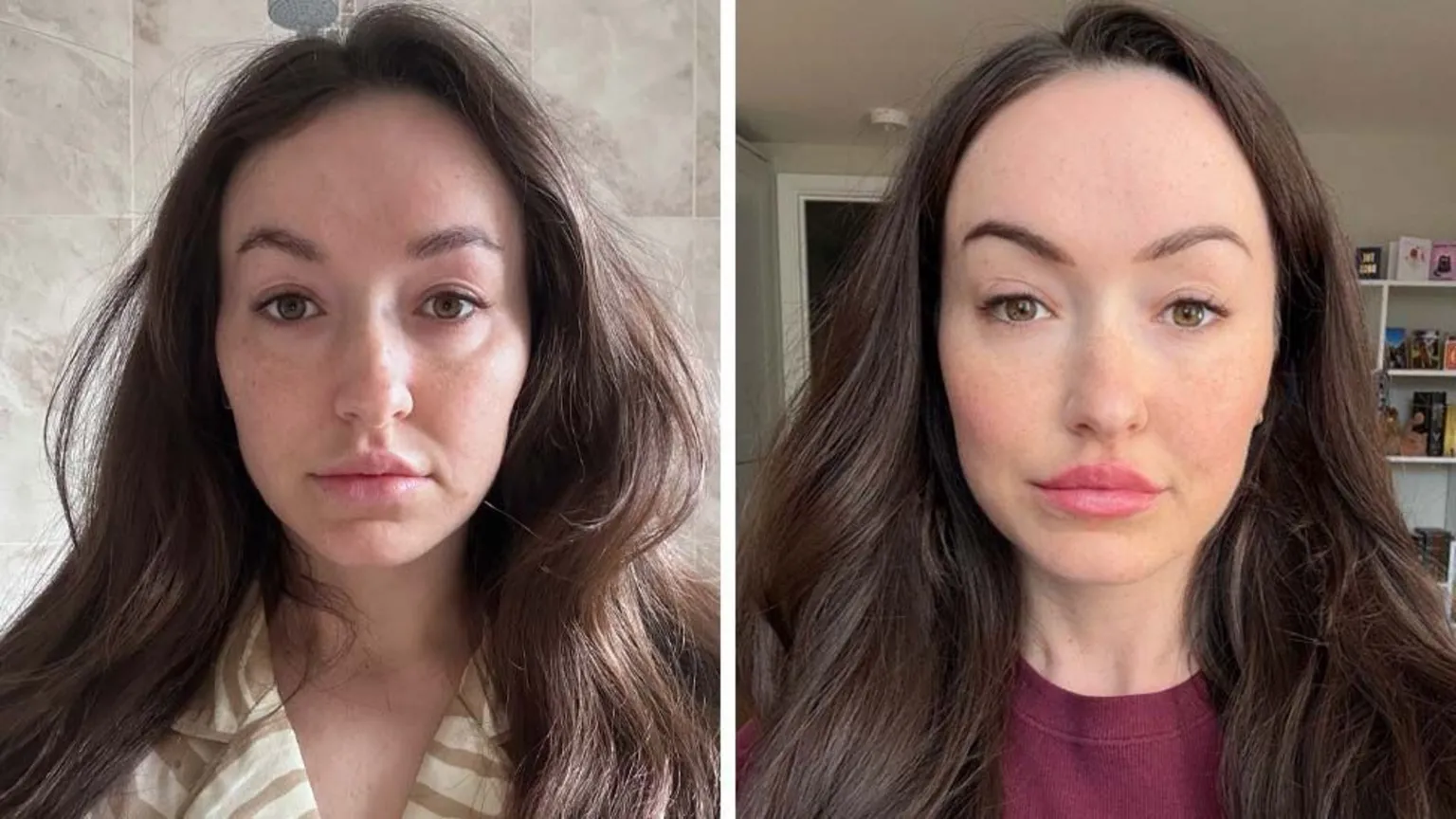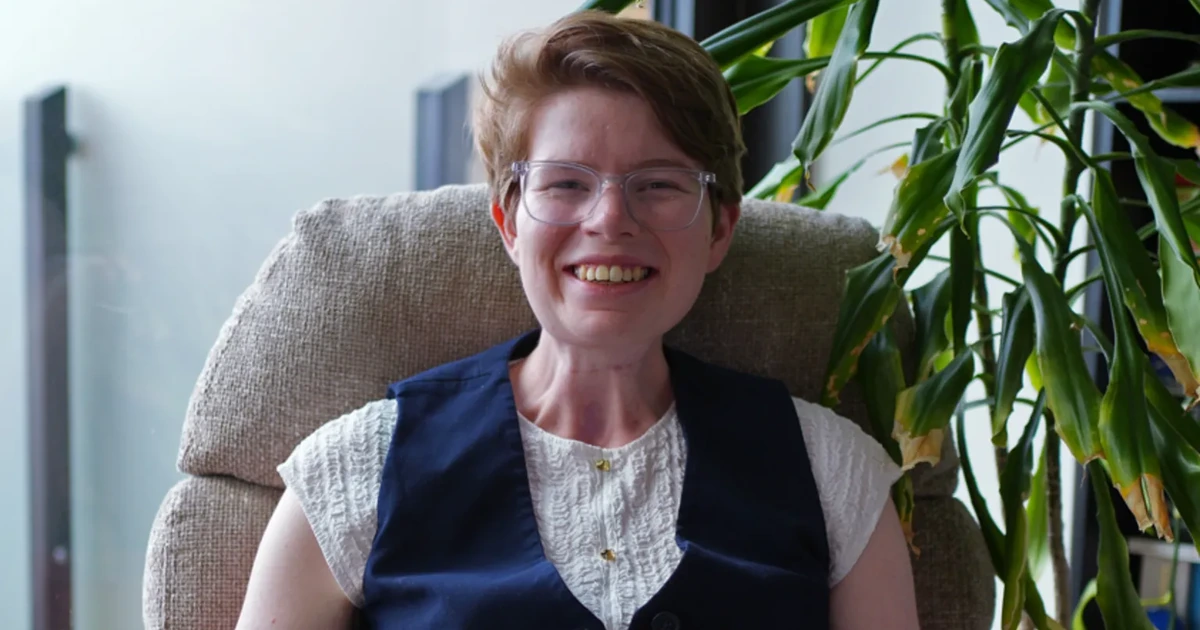
For years, speaking clearly had become a daily struggle for Imogen Brooks. The doctor from Newham, east London, had lost most of her tongue during cancer treatment, and the changes that followed affected far more than her ability to form words. They shaped conversations, appointments, phone calls and the way strangers reacted when she tried to speak.
Brooks was 26 when she was diagnosed with head and neck cancer. Treatment meant that most of her tongue had to be removed and reconstructed. Later, radiotherapy caused the remaining tissue to shrink, making her speech even more difficult to understand.
How Tongue Cancer Treatment Changed Imogen Brooks's Daily Life
The effect reached into ordinary moments that many people take for granted. Brooks had previously relied on speech assistance technology when making phone calls. In person, she said, acquaintances and former colleagues sometimes avoided speaking with her altogether.
"It was so, so common for people to just smile and even not respond and make up in their head what I had said," Brooks explained. She also recalled strangers looking at her "in fear" when they heard her speak for the first time.
The misunderstandings were not merely awkward. Brooks said they could result in incorrect information being recorded or understood during medical appointments, while communication problems at work became another source of pressure. The situation was, in her words, "really frustrating".
NHS Team Develops Bespoke Artificial Tongue to Help Restore Speech
After researching prosthetic tongues, Brooks approached clinicians at Guy's and St Thomas' NHS Foundation Trust to ask whether she might be suitable for one. What followed was an unusual medical and technical challenge: the hospital team set out to create what is believed to be the first bespoke artificial tongue fitted by the NHS.
Michael Brown, a dental technician at the hospital, admitted that the project was new territory for the team. "We'd never made something like this before, but our team loves a challenge," he said.
Eight Specialists Join Forces to Create the Prosthetic Tongue
Brooks remembered the first discussions with a vivid comparison. When she initially asked about a prosthetic, she said the request "was like assembling the Avengers". The phrase captured the scale of the effort and the number of specialists needed to consider whether the idea could work.
At her next appointment, she found eight people in the room. Rather than dismissing a request they had never handled before, the group was prepared to explore it together. "Everyone was willing to try," Brooks said.
Artificial Tongue Offers New Hope for Communication After Cancer
The bespoke prosthetic represents an important change in Brooks's everyday communication. Her story also shows how a medical problem can continue long after the most visible part of treatment has ended, affecting confidence, work and simple human contact. For someone who had become used to being misunderstood or ignored, the chance to speak more clearly carries a significance far beyond the device itself.