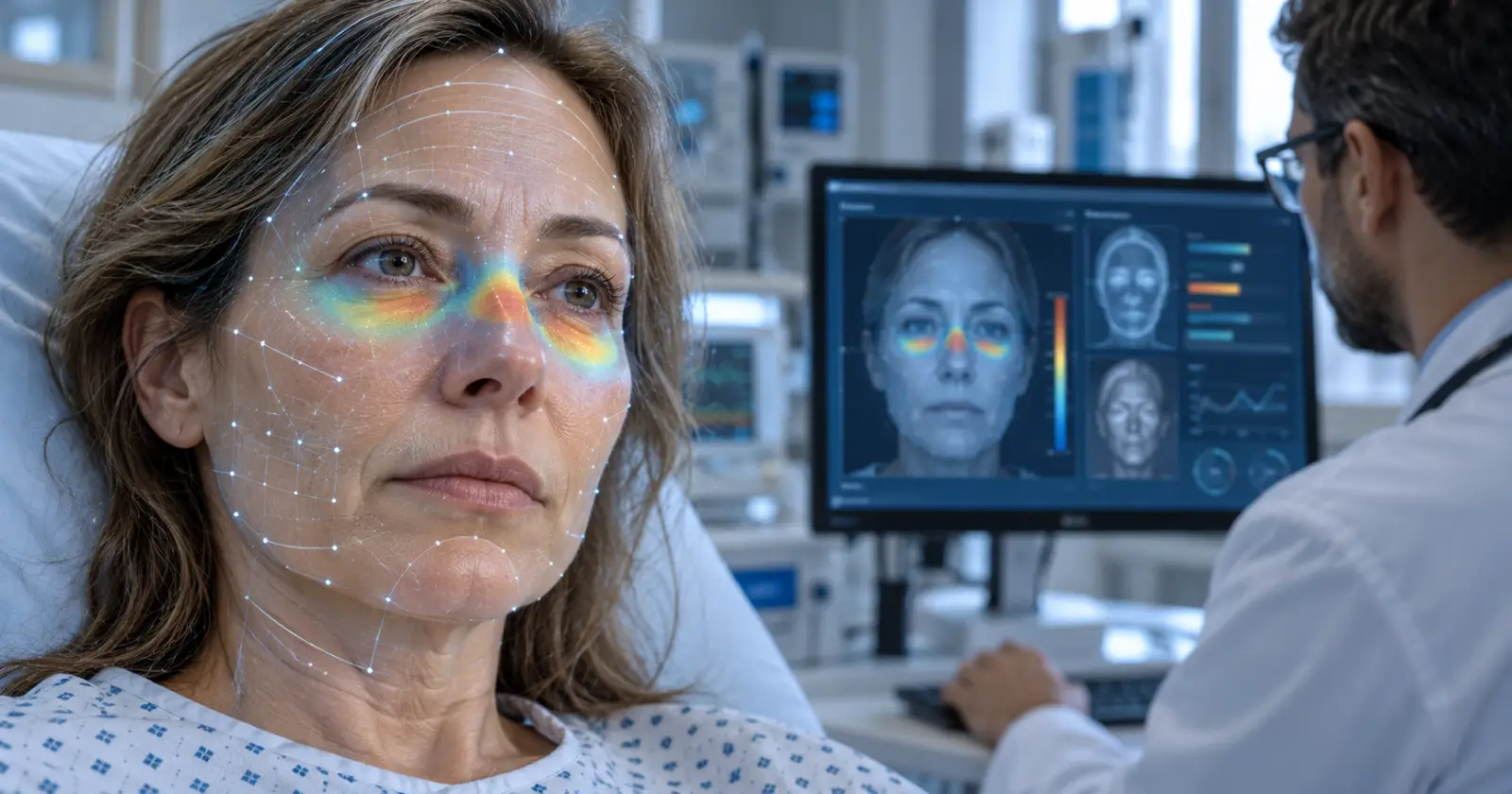
Could a simple photograph of a person’s face help doctors understand how seriously ill they are? US researchers believe artificial intelligence may one day offer part of that answer, although the technology remains far from ready for use in hospitals.
FaceSurvival AI analyses facial features to predict cancer survival
The experimental FaceSurvival tool was trained using millions of images of healthy faces alongside 35,000 photographs of cancer patients. By examining subtle facial features, particularly around the eyes, the system produced estimates linked to survival. Researchers say the area beneath the eyes and the region around the bridge of the nose appeared to be the most important parts of the face when the tool assessed how much physical reserve a patient might have.
The analysis covered several forms of cancer and different levels of severity, including cases in which the disease had spread to the bones or brain. The patients came from the United States and the Netherlands. Most were in their 50s or 60s, but the group also included children and people in their 90s, giving the researchers a broad range of ages to examine.
How AI facial analysis could help doctors make cancer treatment decisions
Doctors already rely on examinations, detailed checks and medical tests to judge how unwell a patient is and what their likely prognosis may be. FaceSurvival is intended to support that process rather than take it over. Its developers say a clearer measure of physical frailty could help physicians decide how suitable intensive treatments such as radiation, surgery or systemic therapy might be for an individual patient.
Lead researcher Dr Raymond Mak of Mass General Brigham in Boston said that an ageing population was creating a need for better ways to estimate physical reserve before demanding treatment is recommended. He said the team wanted a face-based assessment to become more quantitative, consistent and scalable, while still supporting personalised decisions and leaving final judgement with doctors.
FaceAge AI tool estimates biological age from facial photographs
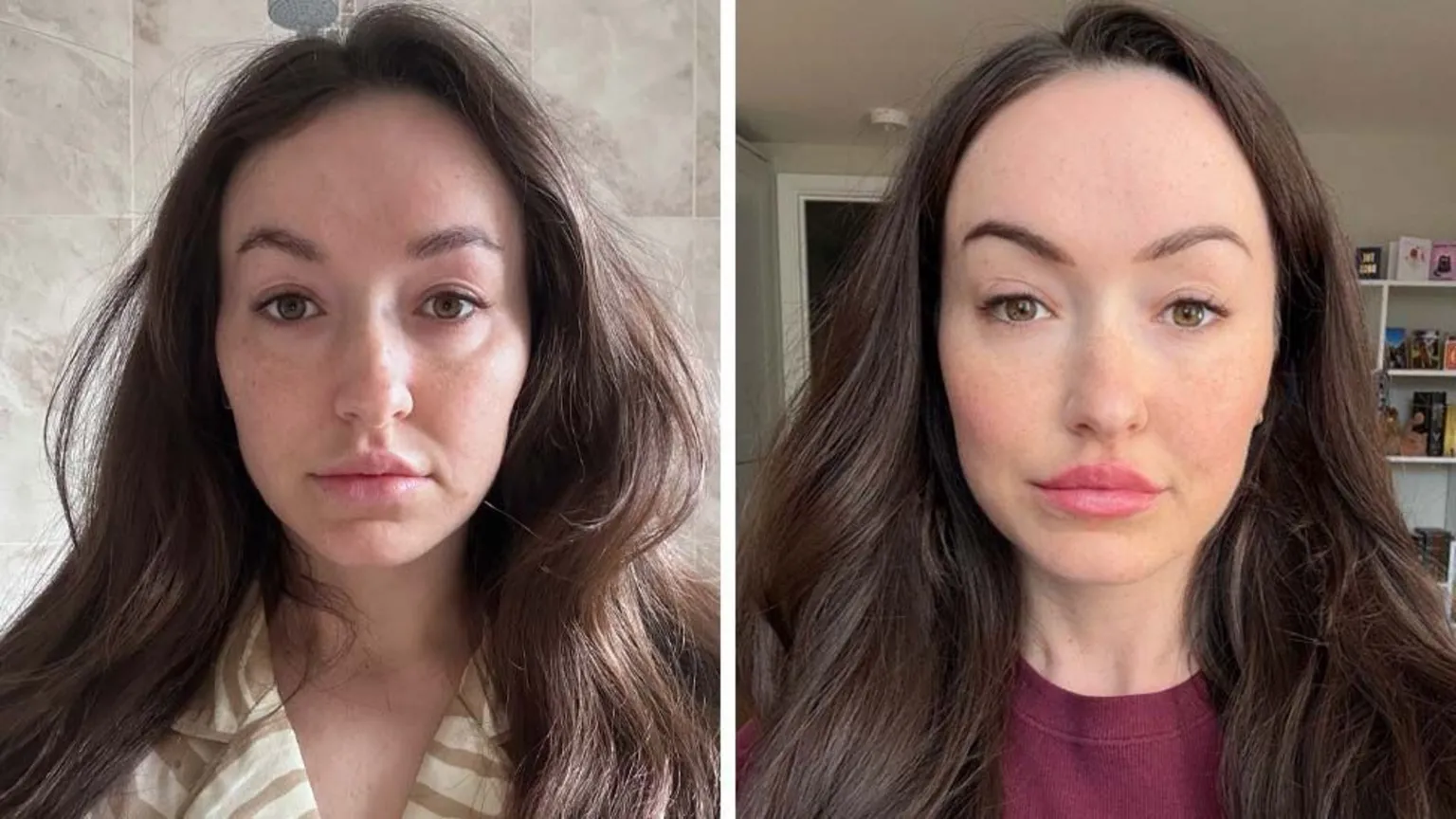
Mak and his colleagues are also examining another system, called FaceAge, which attempts to estimate biological age: how old a person appears rather than the age shown on their birthday. The tool focuses on features including the skin below the nose and near the mouth, known as nasolabial folds and marionette lines, as well as the forehead, temples and cheeks. Researchers say habits such as heavy alcohol use, drug use and smoking can accelerate visible ageing.
Mak described FaceAge as surprisingly consistent when it was tested on ordinary photographs taken with different poses, lighting, facial expressions and make-up. The system also remained stable across most of the plastic surgery procedures examined, although researchers observed a small change after rhinoplasty, or a nose job.
Researchers warn AI health prediction tools need further testing
The scientists stress that both tools are still under development and require much more evidence. In particular, they need larger collections of facial photographs from many different ethnic groups to establish how reliably the systems perform across populations. The FaceSurvival tool also has a patent application pending.
Members of the public are being invited to participate in the research by uploading a facial photograph and receiving a personalised biological-age estimate. However, outside experts have urged caution about interpreting the results. Prof Miroslaw Bober, a video processing and machine-learning specialist at the University of Surrey, said claims that the technology could track ageing or lifestyle changes over time would be premature.
Experts say facial recognition AI is not ready for clinical use
Bober described the work as a promising proof of concept, but said it was not ready for clinical use. He added that the tool still needed to be tested against doctors’ own assessments and across a wider range of hospitals and patient groups. His central warning was simple: predicting an outcome is not the same as explaining why it happened.