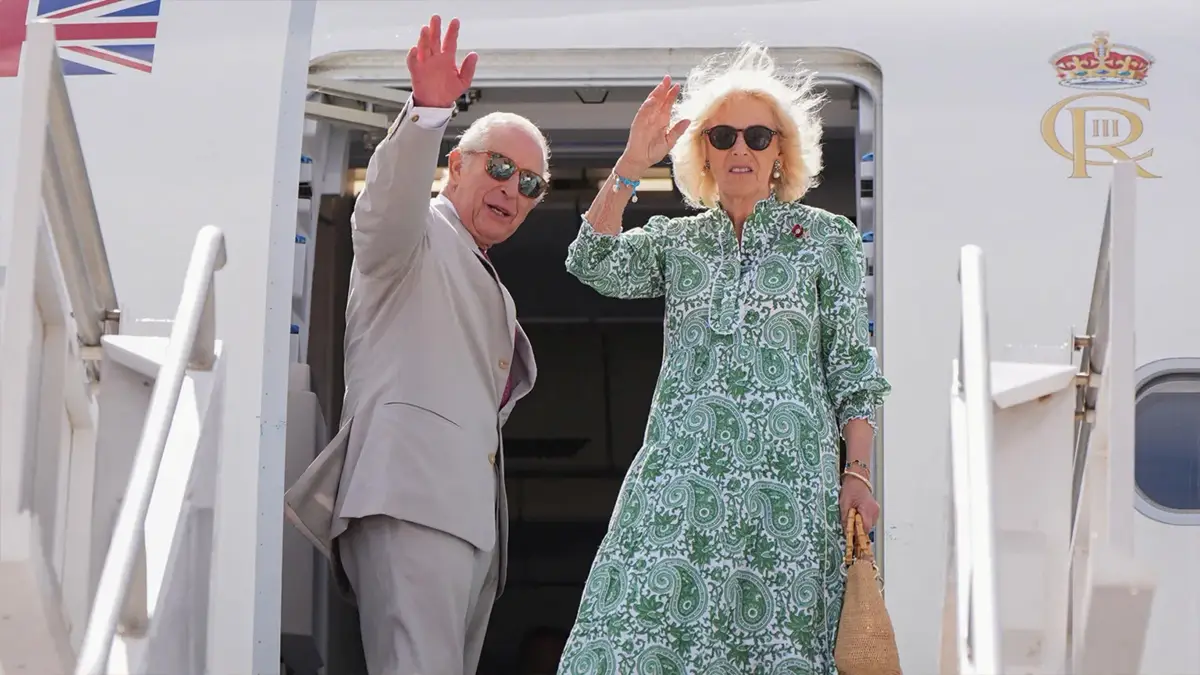
The King is likely to face more politically charged assignments on behalf of the UK government, a senior palace aide said after a Caribbean tour dominated in part by questions about slavery and reparations.
The nine-day trip took the King and Queen to the Bahamas, Guyana and Antigua and Barbuda, where the leaders of all three countries have called for reparatory justice over the transatlantic slave trade.
The aide described the King as a “great secret weapon” and said the government was increasingly asking him to enter challenging political situations. “We have to tread quite a careful line sometimes between government policy and the King's role,” the aide said.
The tour became more complicated when Prime Minister Andy Burnham said midway through it that he was open to the UK apologising for its role in the slave trade. The aide rejected suggestions that Buckingham Palace had been caught off guard, saying it had been informed in a “timely manner”.
Asked whether the King would apologise, the aide pointed to the constitutional monarchy's division of responsibilities: “The King is the crown, the crown is the state, the state is run by an elected government, so we have to see how this whole situation plays through.”
English authorities and the monarchy played prominent roles in the centuries-long trade, which saw millions of Africans enslaved and forced to work, particularly on plantations in the Caribbean and the Americas.
At the Commonwealth Heads of Government meeting in the Bahamas, the King described the slave trade as a shameful chapter that filled his heart with sorrow. Among the leaders listening were some who wanted an apology, reparations or, in some cases, a different head of state.
Antigua and Barbuda's Prime Minister Gaston Browne, who hosted the King and Queen, wants his country to move towards becoming a republic. He also called for “structured, inclusive dialogue on the enduring consequences of slavery and colonialism”.
The palace aide said the royal family was ready to accept a change if countries no longer wanted the King as their head of state. “The family serves when it's wanted and if not, then a new arrangement can be found,” the aide said. Barbados removed the British sovereign as its head of state in 2021.
Despite the difficult questions, the aide called the visit successful and said the King had demonstrated his statecraft. The aide also said the monarch relished the tougher parts of the job, including renewing relationships with nations where complex political issues are at play.
Previous overseas visits have also involved delicate diplomacy. The King used a speech to the US Congress to remind President Donald Trump of the UK's value as an ally, while an earlier visit to Canada welcomed Prime Minister Mark Carney as he faced threats and insults from Trump. Early in the King's reign, visits to Germany and France were intended to build UK alliances after Brexit.
The King has had four prime ministers since his reign began in 2022, meeting them at weekly audiences. The aide said his relationship with Burnham had started well: “They get on very well. I see them together every week.”
The Caribbean tour included around 40 engagements, many in temperatures of about 35C and high humidity. The King is still undergoing cancer treatment, while the Queen is due to celebrate her 80th birthday next July. The aide said their bond after 20 years of marriage helped them through difficult moments at work.
One such moment came at an Independence Day rally in Antigua and Barbuda, where a sudden downpour left the King drenched without an umbrella. The aide said the situation was quickly resolved and that the King later laughed about it.
In the Bahamas, the King joined dancers at a Junkanoo, a traditional carnival celebrating the islands' culture that dates back to the days of slavery.