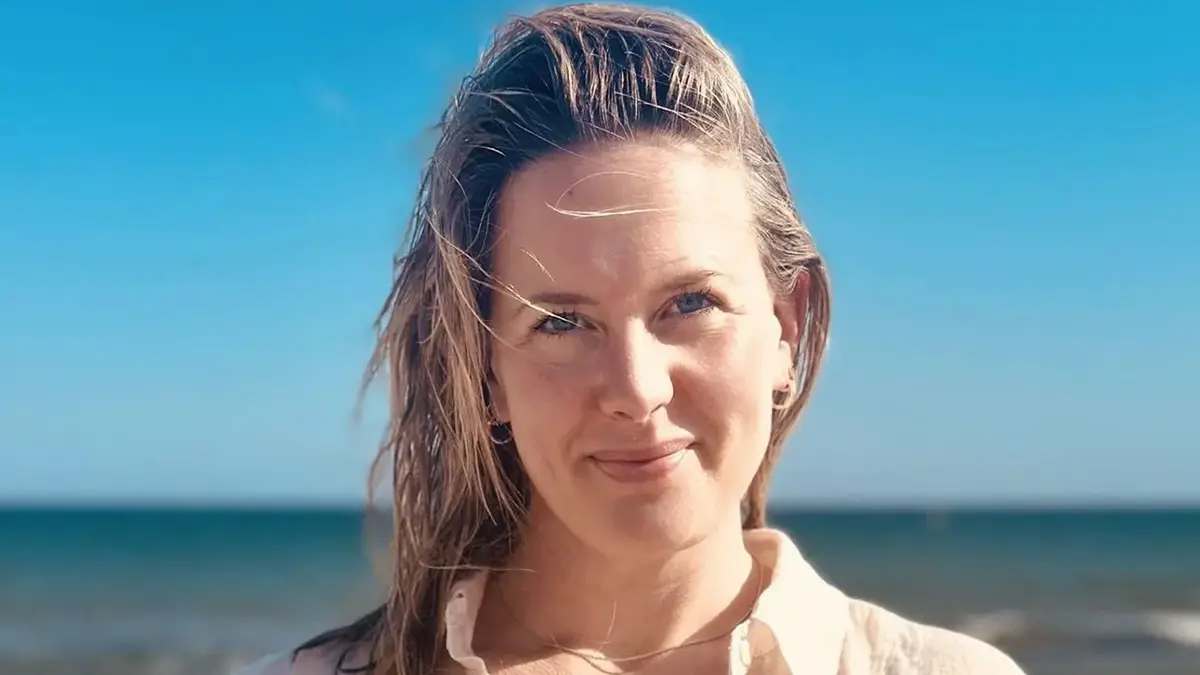
Laura Sides knew there was a chance she could develop the same rare form of early-onset Alzheimer's as her father. When she finally took a genetic test, doctors told her she had inherited the gene.
Laura Sides receives devastating genetic test result for early-onset Alzheimer's
The result came after six months of genetic counselling and a six-week wait. Laura went into the appointment alone, having arranged to meet a friend for lunch afterwards.
“I said, 'Let's cut straight to it.' They said, 'We're really sorry, it's not good news, and you have inherited the gene,'” she told Dr Sian Williams on BBC Radio 4's Life Changing podcast.
Her friend burst into tears when Laura came out of the room, but Laura said she did not react immediately. They went for lunch as planned. “I don't know if it'd sunk in,” she recalled.
Later, she said, she felt angry and struggled with what the news meant for her life. “I was just too confused at how I was meant to live now. How do you live with that knowledge?”
Caring for her father after his Alzheimer's diagnosis
Laura had been close to her father, a GP whom she described as “the most amazing doting father”. He was diagnosed with Alzheimer's in his 40s, and she left university to care for him as his symptoms became more severe.
She remembers their time together fondly, including trips to a lighthouse and collecting coasters. “I'd run him baths and just play music and pour jugs of hot water over his head and he loved it,” she said.
At one hospital appointment with her father, a doctor told Laura she had a 50/50 chance of developing the same form of early-onset Alzheimer's, known as the London variant. She said she was so involved in caring for him that she pushed the thought down.
Why Laura decided to undergo genetic testing for inherited dementia
Her father died in 2009, a year after her mother. Laura then booked a solo trip around the world and eventually settled in Melbourne, Australia. There, thoughts about inheriting her father's condition began to return.
In 2013, a specialist told her a test could determine with 99.999% certainty whether she would inherit early-onset dementia. He said that if she had the gene, her expected age of decline would be 46 to 48. At the time, Laura decided she was not ready to take the test.
As she entered her 30s, she thought about it increasingly often and decided she wanted to know. “There's not many realms in life where you find out your fate and it can be very difficult information to process,” she said.
Medical trials and finding happiness after the Alzheimer's gene diagnosis
Laura later felt drawn back to the UK, particularly because her sister was pregnant. Her travels also continued as she took part in medical trials before and after her diagnosis.
“It felt like such a positive to be involved in something out of such a negative situation,” she said.
Now, Laura says she wants to spend time with people she loves and focus on the things that make her happy, including nature and being in water. “I hope I just have a wonderful few years in this world,” she said, “drinking champagne and eating oysters - two of my favourite things.”