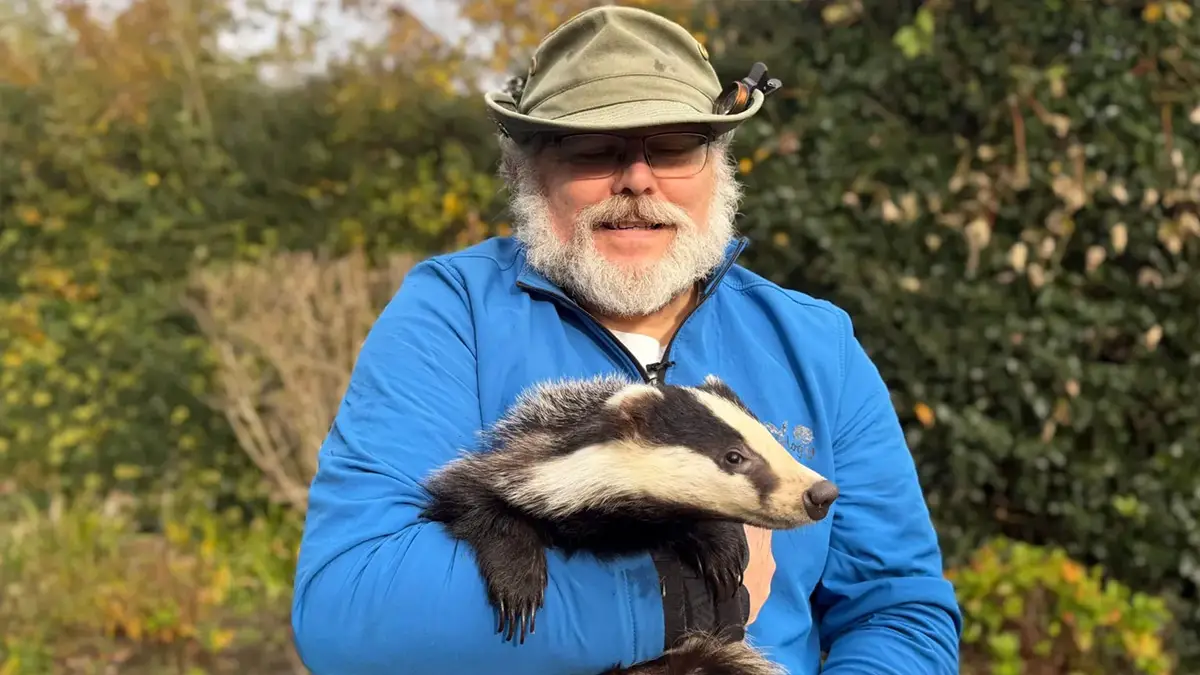
When Graeme Wilson found Harriet, the badger cub was in a cattle trough about 100m (300ft) from her sett and in need of help. After nursing her back to health, the Denholm ecologist began arguing that returning her to the wild could put her at serious risk.
Wilson, who runs the independent GW Ecology rescue and rehabilitation service from his home in the Scottish Borders, was called to help Harriet in April. He believes she had already been hand-reared before he picked her up, and says her response to human care soon made it clear that release was not a realistic option.
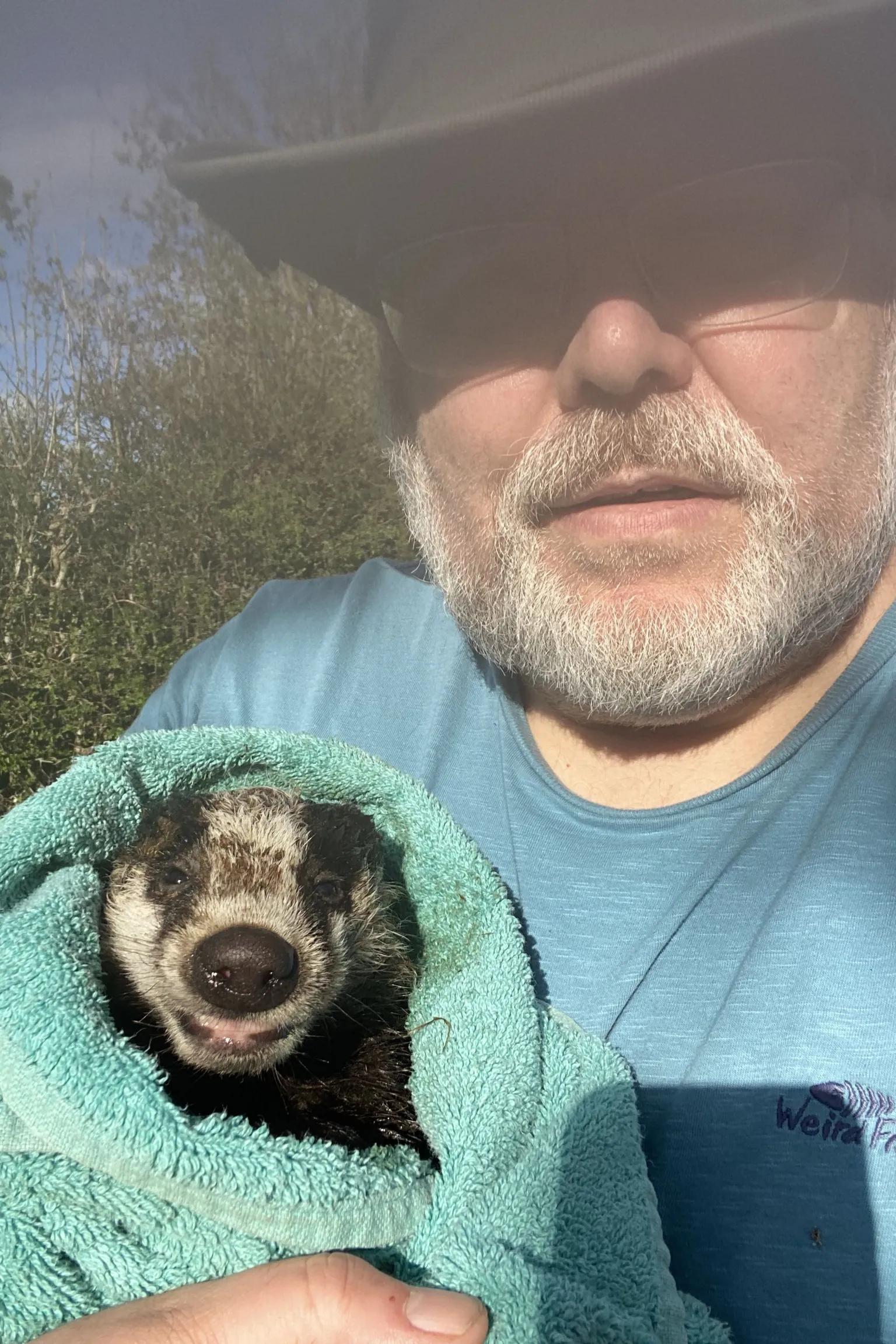
“It was almost second nature when she saw the bottle,” he said. “I have cared for injured badgers before and never have I seen something like it. It was clear then she couldn't be released back into the wild.”
Wilson has applied for an educational licence that would allow him to keep Harriet and use her to support public understanding of badgers, wildlife rescue and the care of protected species. NatureScot, the public body responsible for Scotland’s natural heritage and wildlife, turned down the application, although it said discussions were continuing in an effort to find a “pragmatic solution”.
The case sits alongside the work Wilson already carries out through GW Ecology. The service surveys proposed development sites for protected species and also runs bat walks, workshops and educational events about wildlife and its protection. Wilson describes himself as an “experienced and trained wildlife rehabber” who has cared for a range of animals over the years.
He said NatureScot had told him Harriet should either be returned to the wild or sent to a zoo. Wilson believes release would expose her to the possibility of being hurt or killed because of the way she relates to people.
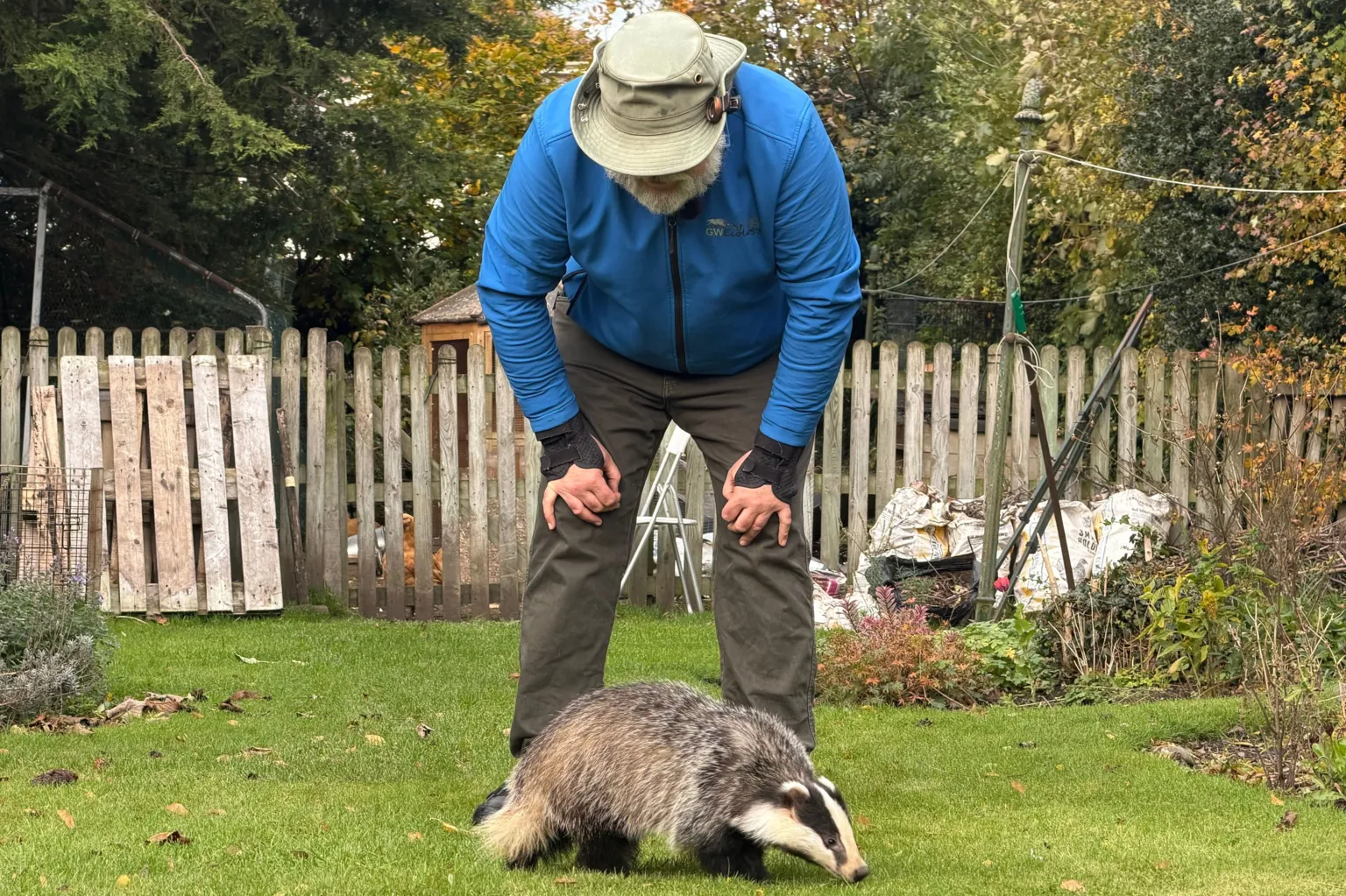
“Badgers are companion animals, they are a social animal and unfortunately for Harriet she has decided that humans are her social group,” he said. “Can you imagine Harriet approaching someone on a dog walk or in the street? There is only one way that would end.”
The Scottish SPCA says badger cubs found outside their setts before they are about 12 weeks old, or roughly the size of a domestic cat, are likely to need help. It advises members of the public not to hold or touch a sick or injured badger before a rescue officer arrives, warning that frightened or painful animals can bite and cause serious injury with their claws.
The charity also advises contacting it when a badger is found in daylight, as this may indicate that the animal is struggling. Meanwhile, discussions over Harriet’s future continue after Wilson’s application for an educational licence was rejected.