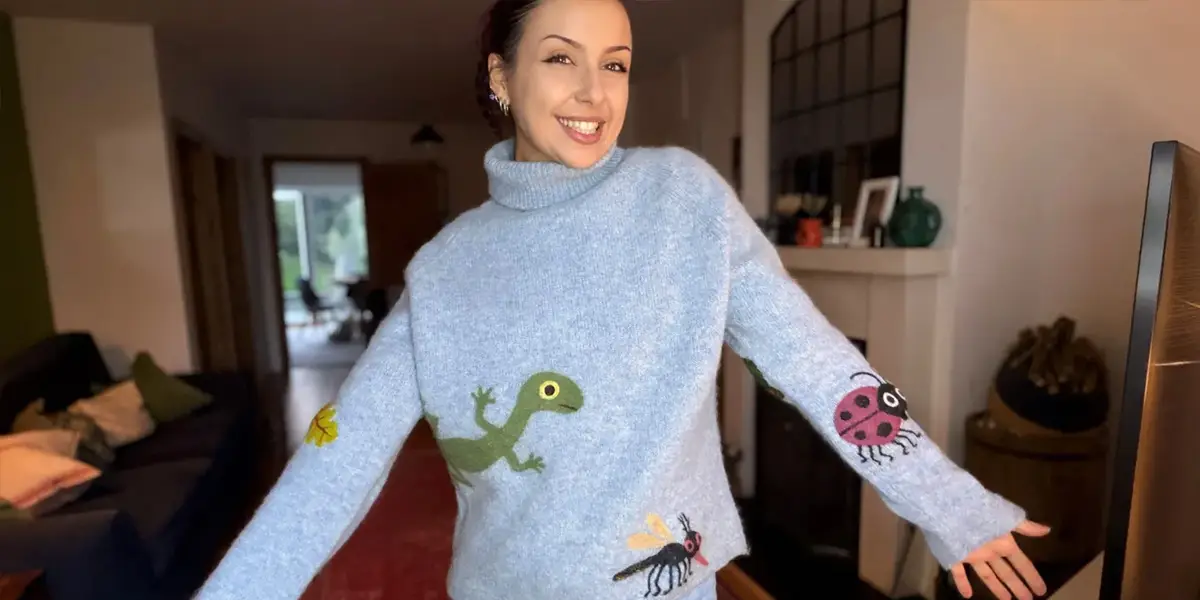
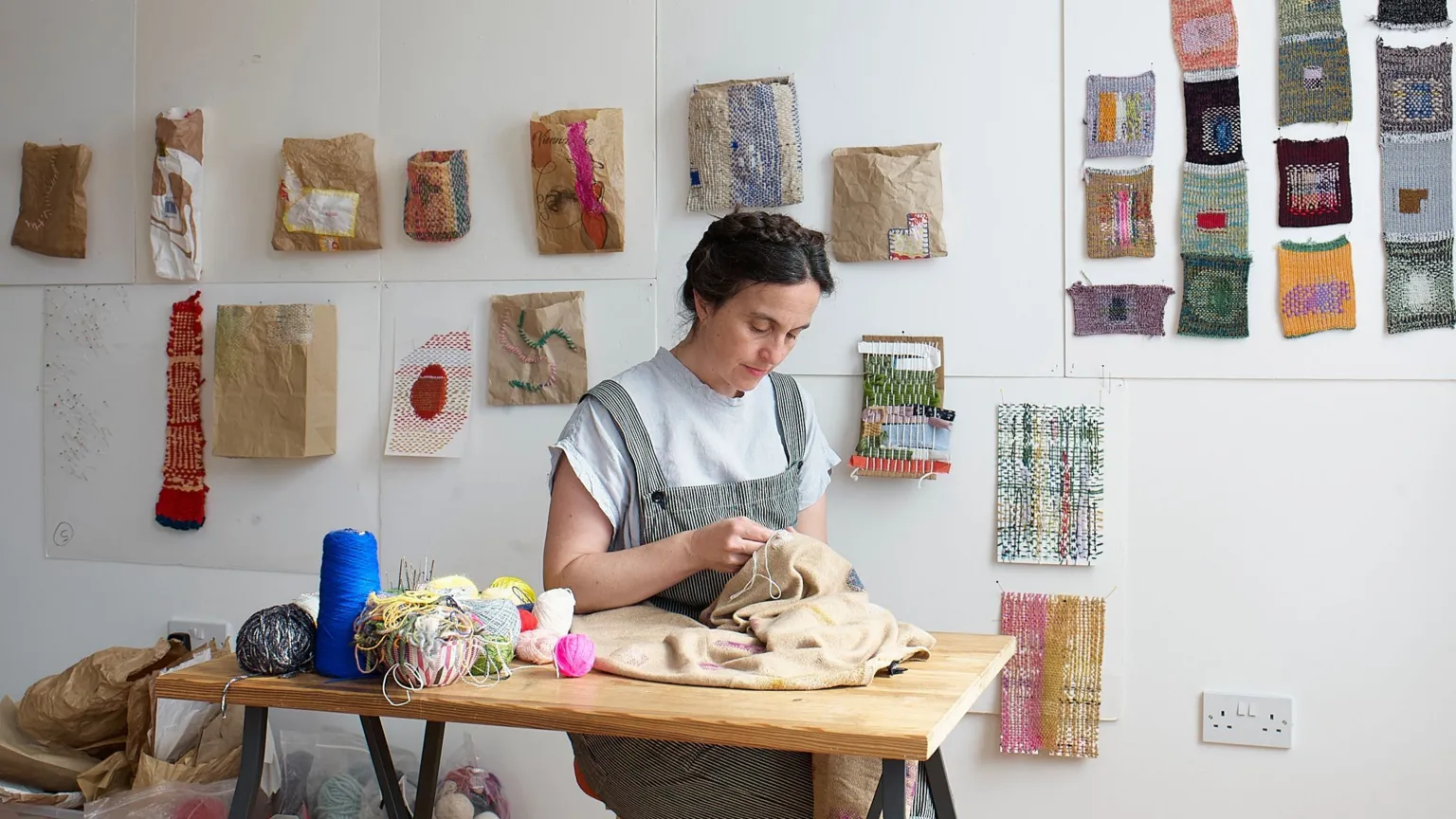
A hole in a second-hand jumper is not a reason for Alice Brown to leave it behind. For the 27-year-old forest ranger from Lincolnshire, it is an invitation to design something new.
“I see it as challenge,” Brown says. Over the past year, she has developed a distinctive style of needle-felting cute animals and insects over moth holes, stains and other imperfections. The repairs have helped her build a huge following online.
Her approach is part of the growing fashion for “visible mending”, in which repairs are not disguised but deliberately made eye-catching. “The natural place for decoration is in the centre at the front. If the hole is under the arm or on the shoulder, it forces you to think about the design,” she says.
The idea is spreading beyond hobby crafters and community workshops. It has reached fast-fashion retailers and designer catwalks this year, creating an unusual contrast: a movement rooted in making clothes last longer is now also being reflected in newly manufactured garments.
Visible mending workshops turn clothing repairs into creative designs
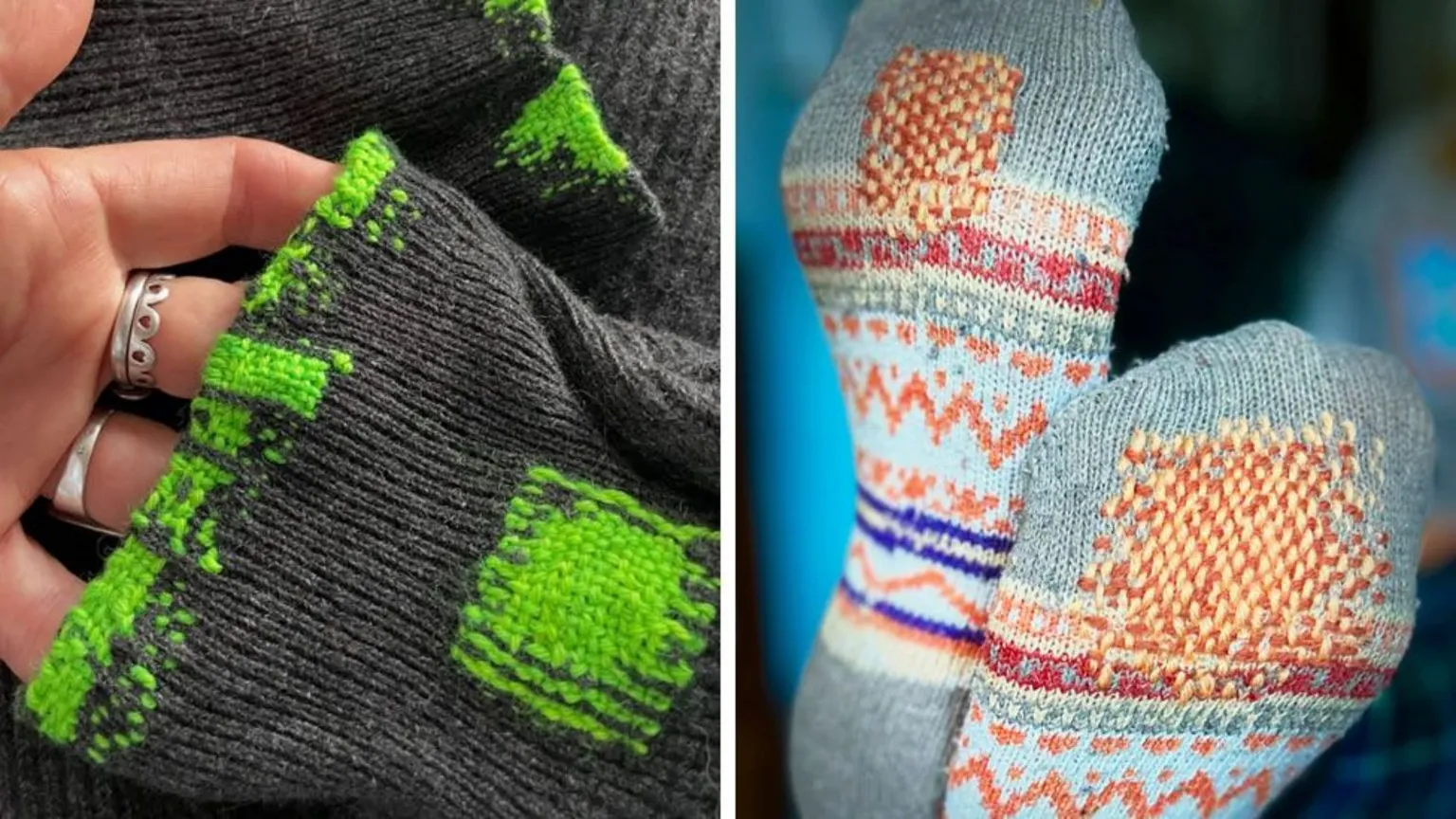
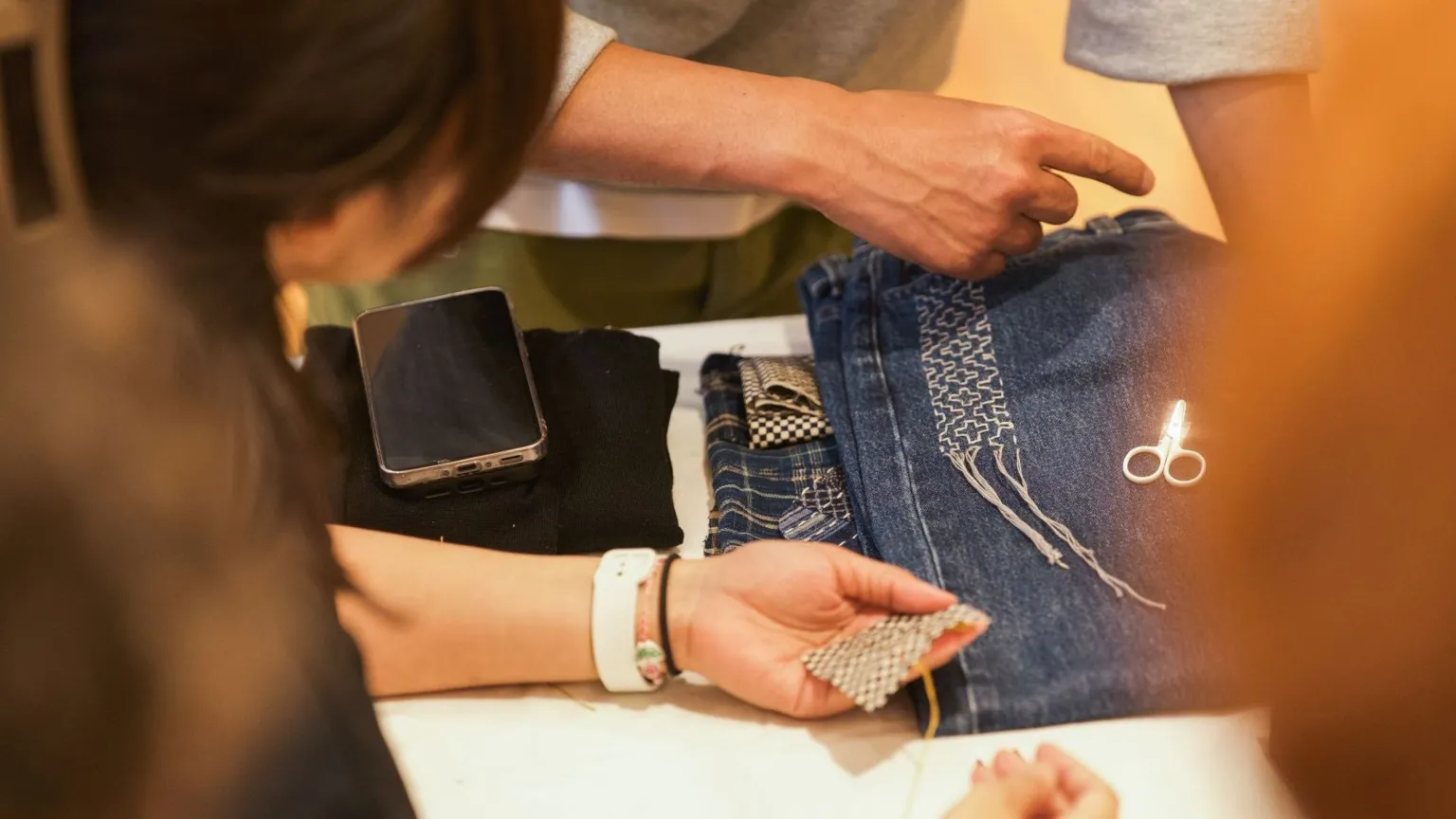
At a Saturday morning workshop in Brighton, tutor Jayne Eagle demonstrates how to place fabric behind a tear so that a cat-face design appears through the opening. She also teaches stitching techniques inspired by the traditional Japanese methods Boro and Sashiko. Rather than matching thread to the garment, students use large white stitches and geometric patterns to make the repair part of the design.
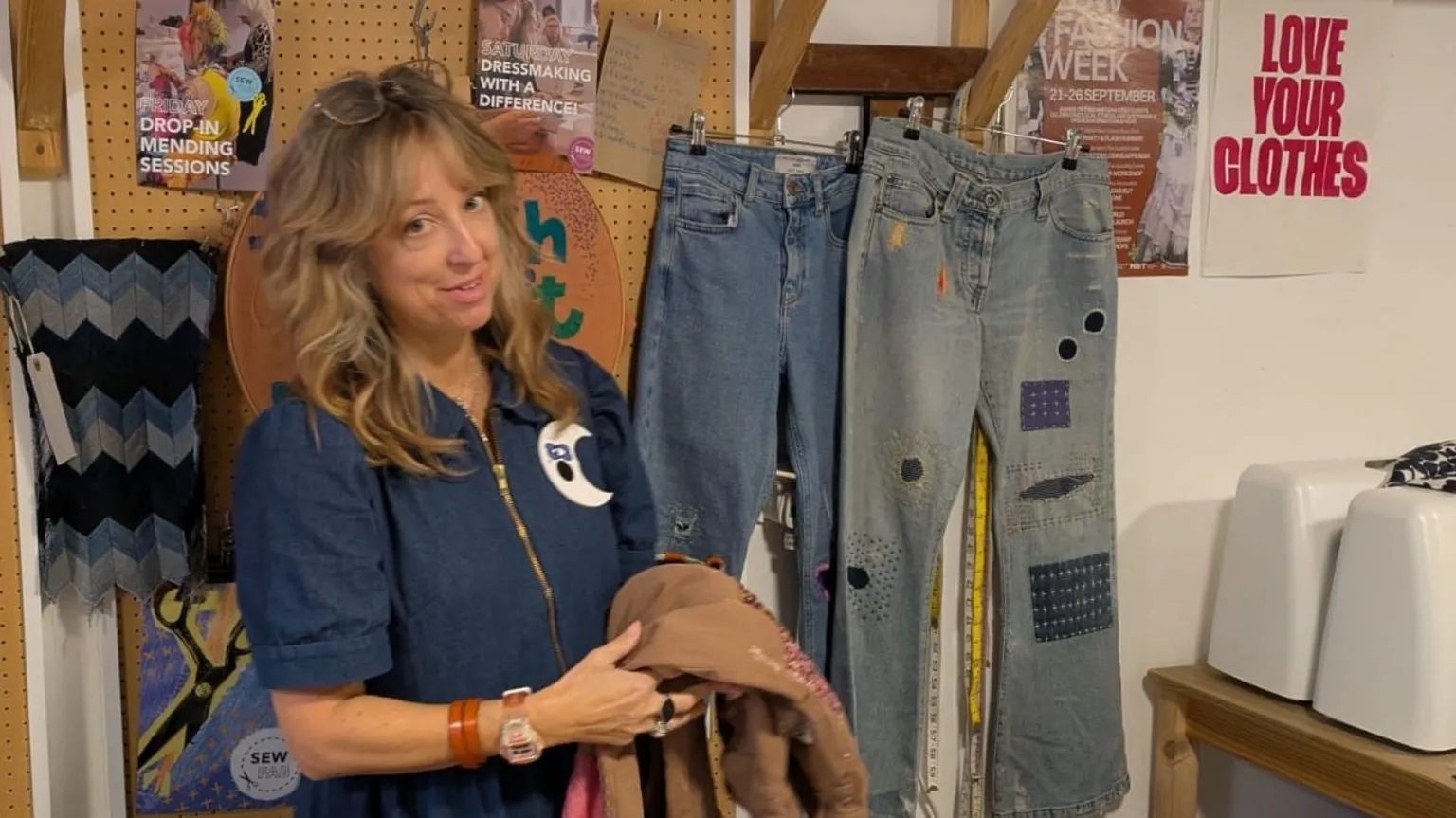
Her darning classes use vibrant, contrasting colours for the same reason: the mend is meant to be celebrated. Nicola, one of the students, has used the technique to cover sunscreen marks on a T-shirt, “making a feature of it”. Now, she says, people “stop seeing the stains and just see the decoration”.
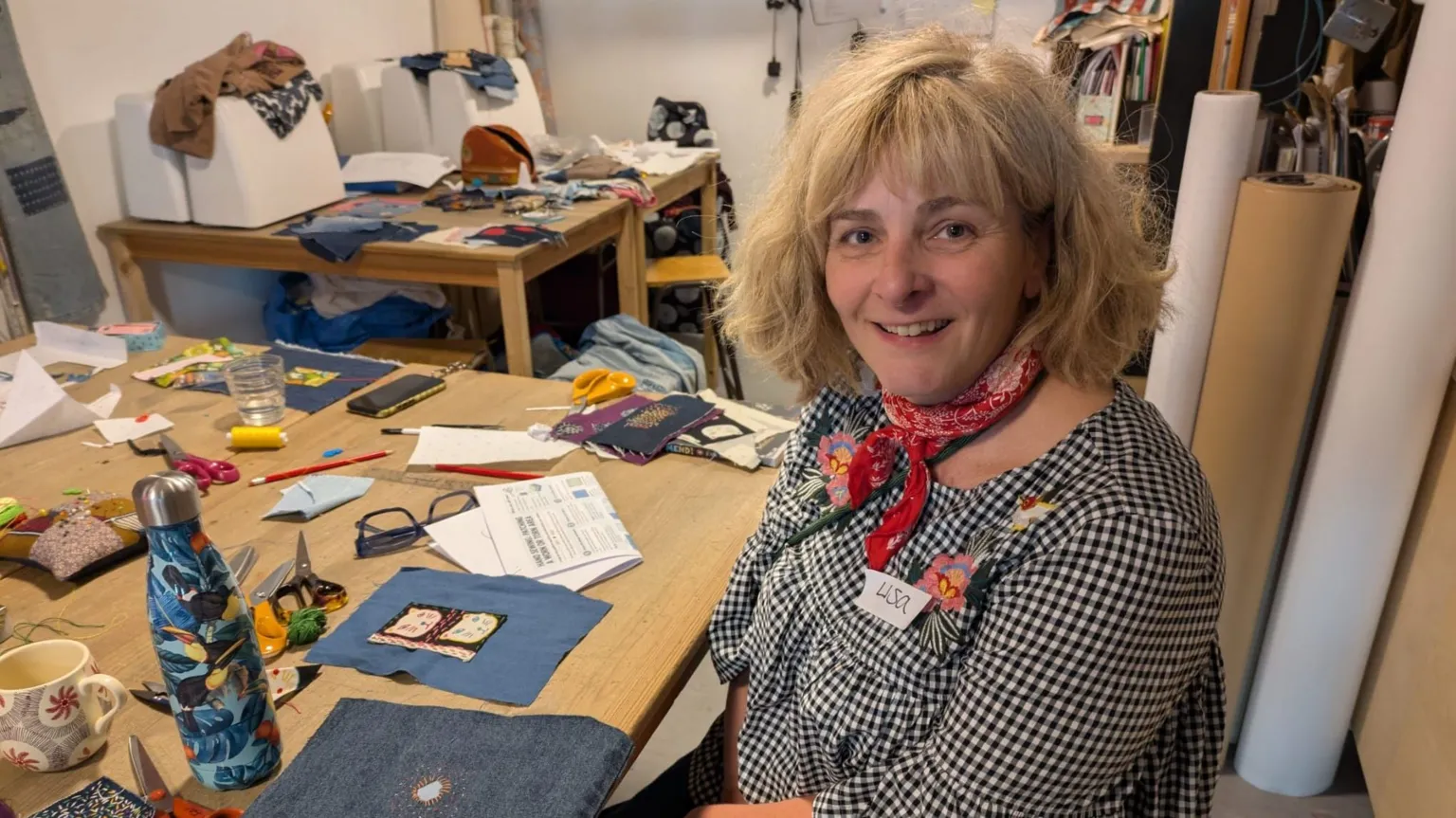
Another student, Lisa, says her mother’s generation would have wanted repairs to remain hidden. “Now part of it is being proud of what you’ve done,” she says. After accidentally cutting a second-hand jacket while opening its delivery package, Lisa patched it so that it “looks intentional”. She was even “actually pointing it out to people”.
Why visible mending is growing as a sustainable fashion trend
Traditionally, mending was mainly a way to save money and keep clothes in use for longer. Visible mending adds a different dimension: it celebrates the decision not to replace a garment and turns the repair into a personal detail.
Eagle says the trend began taking off about six years ago and has grown rapidly since. In her view, the “throwaway” fast-fashion era that developed from the 1980s weakened the habit of caring for clothes and left people without the skills to repair them. The renewed interest, she says, reflects concern about overproduction and its pollution, carbon emissions, water use and poor labour conditions.
Fashion brands embrace visible mending and clothing repair services
Retailers have nevertheless embraced the look. Ralph Lauren and ultra-fast-fashion company Shein are selling stitched and patched clothes made new, while other High Street chains are offering in-house repairs and workshops. Uniqlo’s head of sustainability, Maria Ledous, says the company wants to give customers “practical ways to extend the life of the clothes they already love, rather than simply replacing them”.
Primark has also joined the trend. “We don’t think that affordability and durability should be opposites,” says Vicki Swain, the brand’s longevity lead. Outdoor label Finisterre says about a fifth of its customer mends are designed to be eye-catching, while premium artisan clothing store Toast says roughly a third of customers choose that option.
For Toast chief executive Suzie de Rohan Willner, the appeal lies in giving customers a role in what happens next to a garment. They can bring in an item and “choose what they’d like it to become next”.
Visible versus invisible mending divides fashion enthusiasts
Not everyone wants the repair to be visible. Theo, 19, who sells clothes at car boot sales, wants to learn traditional mending so that his jeans look as they did when he bought them. His friend Nicholas, also 19, says most people want to look “fresh” and that “no-one wants to look like they came out of a dumpster”.
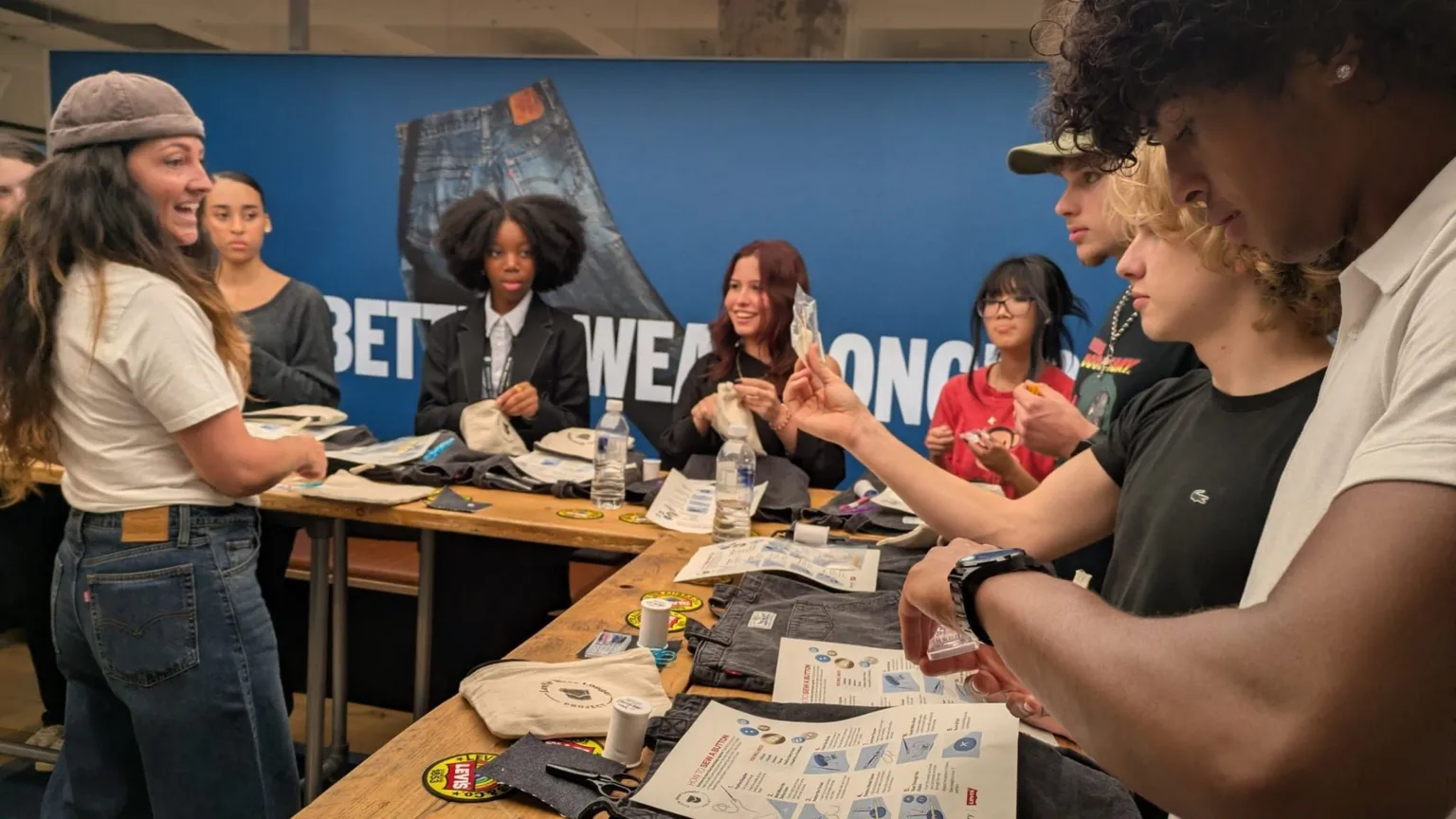
Levi’s head of global design innovation, Paul Dillinger, believes creative repairs may win more people over as their skills improve. “No-one has time for that perfect ‘straight from the shop’ thing. That’s not cool,” he says. “People crave agency. Mending is a demonstration of humanity: it’s not a mustard stain, it’s a memory of a great day in the ballpark.”