Champions League spectacle is growing — but is the jeopardy disappearing?
Empty seats raise questions
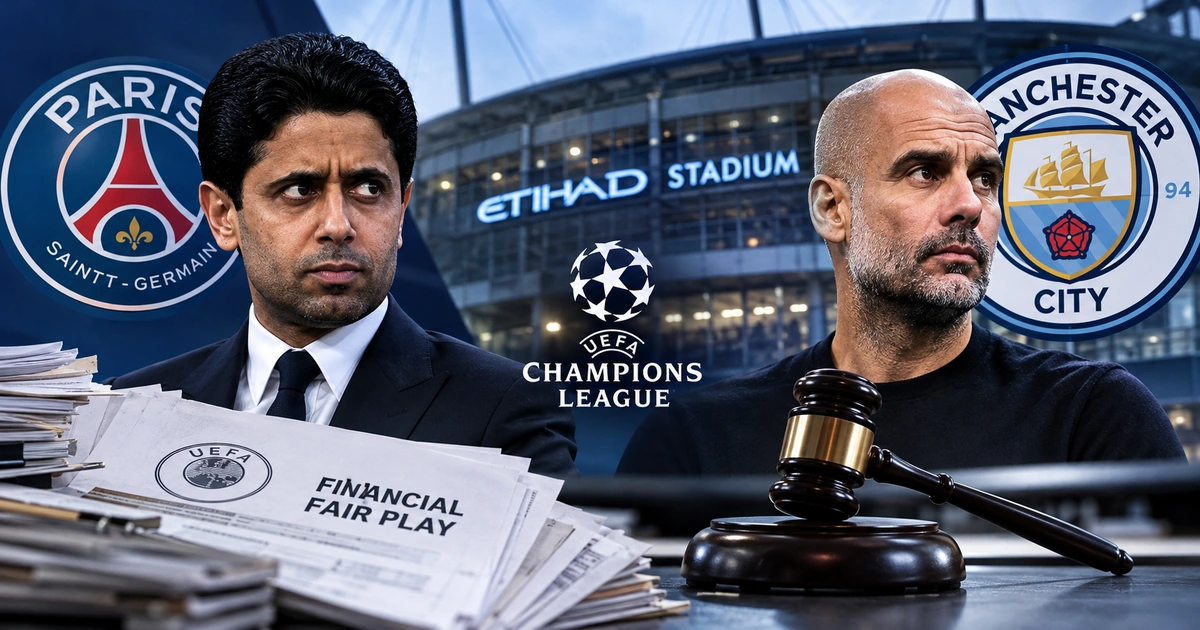
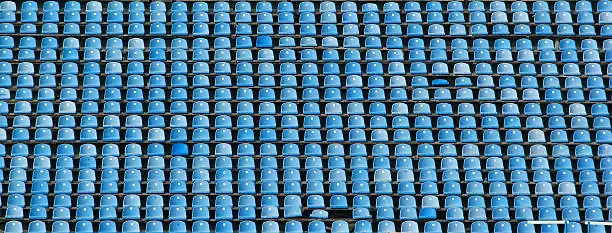
Manchester City’s latest Champions League night offered an uncomfortable sight: around 20,000 seats were left empty as AEK Athens arrived for a Tuesday fixture. The stadium atmosphere felt strangely muted, raising a bigger question than why City supporters stayed away. Has the competition lost some of its old meaning?
There are obvious reasons not to treat the attendance as a simple rejection by City fans. This is a club that has spent the past 15 years consuming trophy after trophy, turning success into something almost routine. A midweek meeting with the champions of Greece was always going to struggle to create the same emotional pull as a major European occasion.
Even so, the empty seats were not an isolated sight. City’s Champions League attendances have repeatedly reflected the same problem whenever the opponent lacks enormous European status.
More games, less urgency
The issue reaches well beyond one club. Across Europe, the competition’s biggest teams are being asked to navigate an expanded league phase that stretches into late January. Instead of the previous six matches, each side now has eight.
That extra schedule has brought more football, but not necessarily more urgency. The consequences of a single result can feel too distant to create genuine tension.
The flood of goals tells the same story. Once the knockout rounds arrive, matches are likely to become tighter and more nervous, with defending shaped by the much greater danger of elimination.
Defeats are easier to absorb
At this stage, elite clubs know they can afford setbacks. A defeat against a direct rival is damaging, but hardly fatal, allowing teams to take more risks.
Rodri did not appear devastated by City’s result at Parc des Princes, and there was a logical reason for that reaction. City still have a manageable route to qualification.
Once, conceding three goals to PSG in the space of 32 minutes might have threatened an entire European campaign. Now it can feel like little more than an obstacle on the way.
Goals everywhere
That is the central issue: too many Champions League matches now feel closer to exhibitions than tests of survival.
The entertainment is undeniable. This campaign has already produced 187 goals, an average of 4.16 per match.
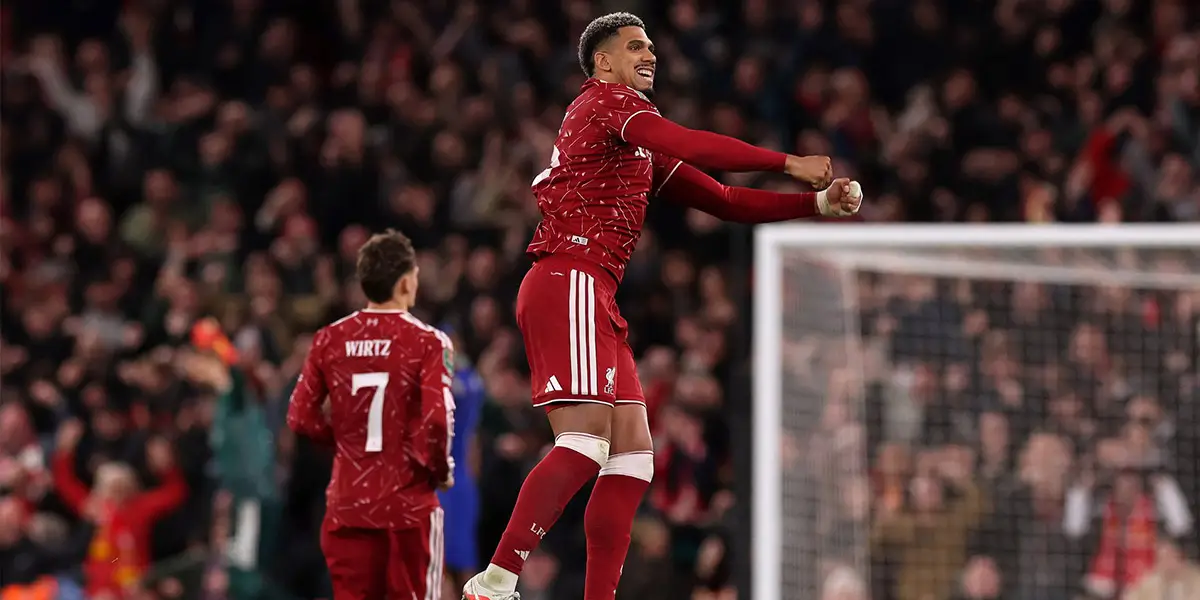
Liverpool’s 4-3 victory over Villarreal delivered constant drama, while LASK scored three times despite losing 6-3 in Linz. The Champions League has become a competition built around instant excitement.
Spectacle without jeopardy
The PSG meeting with Barcelona illustrated the contradiction perfectly. It was polished football theatre filled with stars, goals and glamour.
Yet beneath that spectacle was a more troubling impression: the biggest clubs are being given enough room to recover from mistakes.
That is why the new Champions League can be both thrilling and strangely hollow. Uefa gets its headline match-ups, supporters get goals and famous names, but the empty seats at Manchester City suggest that spectacle alone cannot replace jeopardy.